

Which Smartphone Has the Best Camera in 2026? (Flagship Shootout)
Discover which smartphone has the best camera in 2026. Compare Samsung Galaxy S26 Ultra, iPhone 18 Pro Max, Pixel 11 Pro, and Vivo for photos and video.

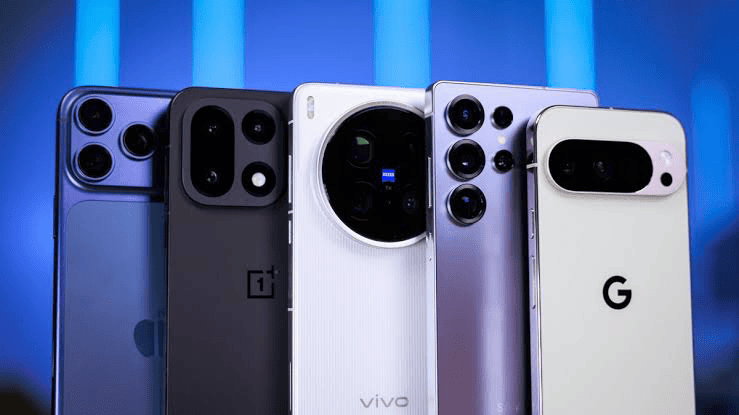
Determining the best camera phone in 2026 is no longer just a contest of raw megapixel counts. Today’s flagship mobile photography relies on the interplay between physical sensor dimensions, telephoto glass optics, and neural processing units (NPUs) that handle multi-frame image reconstruction in milliseconds.
Whether you shoot 4K120 ProRes video for social media, capture distant stadium concerts, or simply want a phone that snaps clear photos of moving subjects in low light, the right device depends on your specific workflow.
Below is our tested breakdown of the top smartphone cameras in 2026 across photography, video, optical zoom, and price-to-performance value.
Flagship Camera Comparison (2026)

| Smartphone | Rear Camera Setup | Max Optical Zoom | Best Category |
|---|---|---|---|
| Samsung Galaxy S26 Ultra | 200MP Main + 50MP UW + 50MP 5x + 10MP 3x | 5x Optical (100x Space) | Best All-Rounder & Zoom |
| Apple iPhone 18 Pro Max | 48MP Fusion + 48MP UW + 48MP 5x Tetraprism | 5x Optical | Best Video & Social Media |
| Google Pixel 11 Pro XL | 50MP Main + 48MP UW + 48MP 5x Periscope | 5x Optical (30x Super Res) | Best Point & Shoot AI |
| Vivo X300 Ultra | 50MP 1-inch Main + 50MP UW + 200MP APO Tele | 3.7x Optical (Sensor Crop) | Best Portraits & Low-Light |
| Google Pixel 10a | 48MP Main + 13MP Ultrawide | Digital (Super Res 8x) | Best Budget Camera (<$500) |
1. Samsung Galaxy S26 Ultra: The Best All-Around Camera Flagship
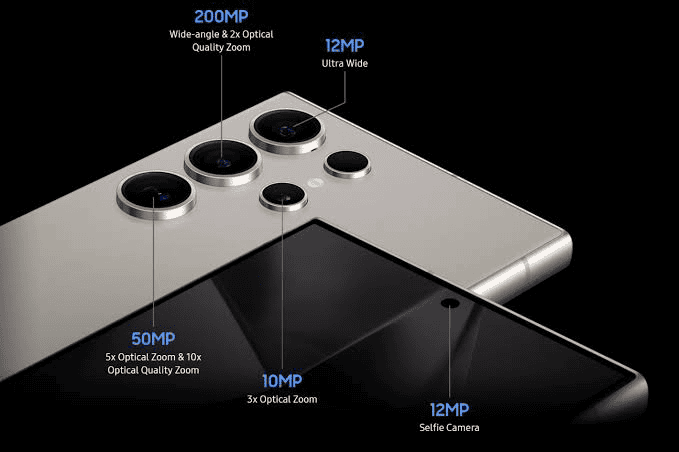
For most users wanting a versatile camera system that handles any situation, the Samsung Galaxy S26 Ultra takes top honors.
Samsung upgraded the primary 200MP sensor with a wider dynamic range and improved optical stabilization, noticeably cutting down the shutter lag that plagued earlier generations.
Strengths:
- Unmatched zoom versatility: Having two dedicated optical telephoto lenses (3x and 5x) means portraits at medium distances look sharp, while hybrid digital zoom cleanly resolves text up to 30x.
- ProVisual Engine: Samsung’s ISP corrects low-light chromatic noise without turning nighttime skies into artificial daylight.
- Expert RAW Integration: Native 50MP RAW capture gives mobile editors broad latitude in Lightroom.
- Drawbacks: Video capture in high-contrast indoor scenes still exhibits slight edge sharpening compared to the iPhone.
2. Apple iPhone 18 Pro Max: The Undisputed King of Video

If video recording, dynamic microphone capture, and social media uploading define your workflow, the iPhone 18 Pro Max remains unmatched.
Apple’s camera pipeline captures smooth exposure transitions, zero dropped frames, and predictable autofocus tracking.
Strengths:
- Video Mastery: Supports 4K at 120 fps in Dolby Vision HDR and Log profiles, paired with dedicated Genlock studio synchronization for production setups.
- Direct Social Media Pipeline: Third-party apps like Instagram, TikTok, and Snapchat tap directly into Apple’s native camera API, avoiding the compression artifacts and stuttering often seen on Android uploads.
- Unified 48MP Array: Every rear lens now uses a 48MP sensor, keeping colors and textures uniform when switching between ultrawide, 1x, and 5x telephoto lenses.
- Drawbacks: Long-distance zoom beyond 15x softens rapidly without dedicated 10x periscope glass.
3. Google Pixel 11 Pro XL: The Smartest Point-and-Shoot
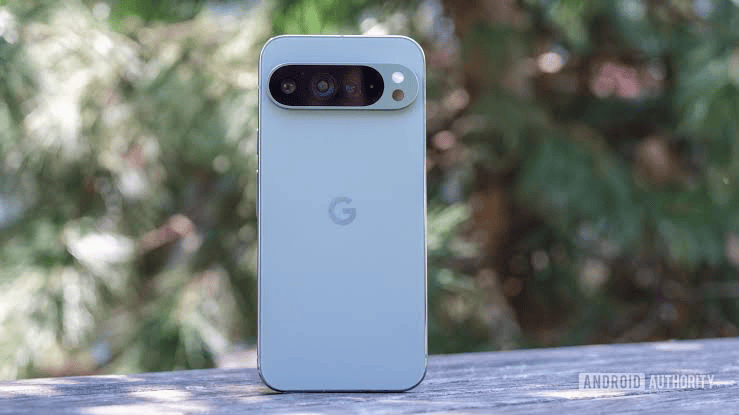
The Pixel lineup continues to lead computational photography. While other phones require manual exposure adjustment, the Google Pixel 11 Pro XL consistently produces a balanced photograph on the first click.
Strengths:
- Real Tone Technology: Remains the benchmark for accurately rendering diverse skin tones, hair textures, and facial lighting without over-smoothing.
- Camera Coach & AI Synthesis: Google’s Tensor G5 chip checks scene framing in real time and uses local AI to prevent motion blur on fast-moving pets or children.
- Night Sight Video Boost: Offline cloud rendering processes low-light 4K videos to pull clean color out of near-pitch-black environments.
- Drawbacks: Video Boost requires time to upload and render on Google’s servers, and manual pro camera controls feel more limited than on Xiaomi or Sony devices.
4. Vivo X300 Ultra: The Mobile Photographer’s Pure Sensor
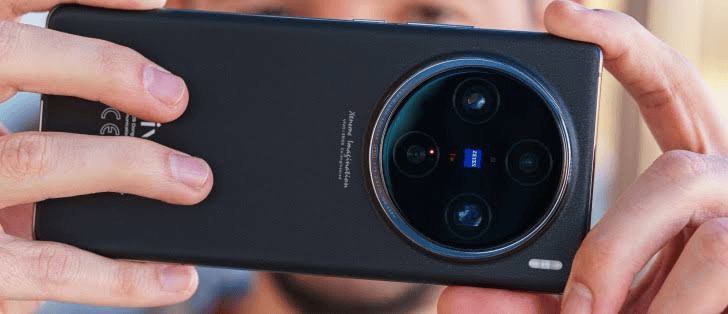
For photographers who care more about hardware optics and natural depth of field than AI processing, the Vivo X300 Ultra leads specialized photography benchmarks.
Strengths:
- Massive 1-Inch Main Sensor: Paired with Zeiss T* lens coatings, it generates genuine optical background blur (bokeh) without digital portrait algorithms.
- 200MP APO Telephoto Lens: Its floating periscope lens captures macro close-ups and portrait shots with detail that surpasses standard 50MP sensors.
- Drawbacks: Global availability is limited outside Asia and specialty import channels, and its custom Android skin comes with heavier bloatware than stock Pixel or Galaxy software.
What Actually Matters in a Phone Camera in 2026?
When browsing smartphone spec sheets, look past the marketing numbers and focus on these three indicators:
1. Sensor Physical Size (e.g., 1/1.3″ or 1.0″): A larger sensor physically captures more ambient light photons. This lowers digital noise, speeds up night shutter times, and produces genuine optical depth of field.
2. Optical Image Stabilization (OIS): Without physical OIS, night photos easily blur and handheld video will jitter. Ensure both the main lens and telephoto lens have dedicated OIS.
3. Dedicated Periscope Telephoto: Digital zoom simply crops and magnifies pixels. If you want crisp photos at concerts, sports events, or across conference halls, look for a periscope lens with at least 5x optical reach.
Frequently Asked Questions
Quick answers to common questions
The Google Pixel 11 Pro series remains the industry leader for authentic portrait photography. Google’s Real Tone algorithms prevent the yellow casts or over-whitening common on competing devices.
Not necessarily. 200MP sensors use "pixel binning" to combine 16 smaller pixels into one larger virtual pixel (saving a 12.5MP photo). While helpful for bright daylight landscapes, a 48MP sensor with larger physical photodiodes often outperforms a dense 200MP sensor in low light.
The Google Pixel 10a offers the best camera value under $500. It shares Google's computational photography software, delivering point-and-shoot image quality that rivals devices twice its price.


Thread (0)